
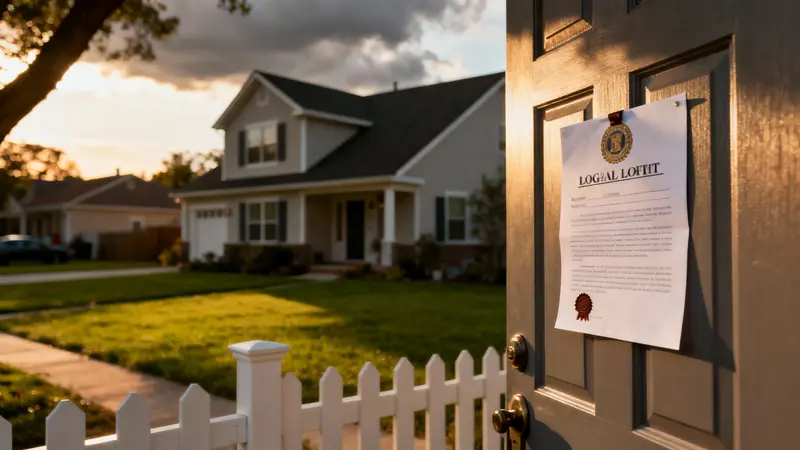
Living in a community governed by a Homeowners Association (HOA) comes with numerous benefits, such as well-maintained common areas, shared amenities, and consistent property values. However, these perks are funded by mandatory dues. A common question homeowners have is, what happens if you don’t pay HOA fees? The consequences can be far more severe than many realize, escalating from minor penalties to the potential loss of your home. Understanding the process and the potential for unpaid HOA fees consequences is crucial for every homeowner in an HOA community. This guide breaks down the step-by-step process of what occurs when payments are missed and how you can navigate this challenging situation.
The Immediate Consequences of a Missed Payment
The moment you miss an HOA fee payment, a standardized process is typically set in motion. While it may start small, these initial steps are designed to get your attention and resolve the delinquency quickly. Ignoring them is a mistake that can lead to significant financial and legal trouble.
Initial Late Fees and Penalty Charges
The first action an HOA will take is levying a late fee. This is not a punitive measure but a contractual consequence outlined in your HOA’s governing documents, specifically the Covenants, Conditions, and Restrictions (CC&Rs). The structure of these fees can vary:
- Flat Fee: A fixed amount, such as $25 or $50, for any late payment.
- Percentage-Based Fee: A percentage of your monthly or quarterly dues, often around 10%.
- Interest Charges: In addition to a late fee, the HOA may charge interest on the outstanding balance until it is paid in full. The maximum allowable interest rate is often dictated by state law.
It is critical to review your CC&Rs to understand the exact penalties. These charges can accumulate quickly, turning a minor oversight into a substantial debt. For instance, a single missed payment of $200 could balloon with a $25 late fee and ongoing interest charges.
Formal Delinquency Notices and Communication
Alongside penalties, the HOA will initiate formal communication. This isn’t just a friendly reminder; it’s the start of a legal paper trail. The communication typically follows a set sequence:
- Initial Reminder: A courteous notice sent shortly after the due date, informing you of the missed payment and the initial late fee.
- Demand Letter: If the payment is not made, the HOA will send a more formal demand letter. This letter will detail the total amount owed (including all fees), state the consequences of continued non-payment, and may cite the relevant sections of the HOA’s bylaws.
- Notice of Intent to File a Lien: This is a serious escalation. The HOA informs you that if the debt is not settled by a specific date, they will proceed with placing a legal lien on your property.
Escalating Actions the HOA Can Take for Unpaid Dues
If late fees and notices don’t resolve the issue, the HOA has powerful legal tools at its disposal. These actions can directly impact your property ownership and financial standing. It’s at this stage that seeking professional advice becomes paramount, as the stakes are significantly higher. Managing your finances effectively through platforms like Ultima Markets MT5 can help prevent such situations by providing a clearer overview of your financial commitments.
Placing a Lien on Your Property
An HOA lien is a legal claim against your property for the amount of the unpaid debt. Once a lien is recorded, it becomes a public record and acts as a major obstacle to any property transactions. Here’s what it means for you:
- Inability to Sell or Refinance: You cannot sell or refinance your home without first satisfying the lien. The debt must be paid from the proceeds of the sale before you receive any funds.
- Accruing Costs: The lien amount will include the original dues, late fees, interest, and often the attorney’s fees incurred by the HOA to file the lien. This can cause the debt to grow exponentially.
- Foundation for Foreclosure: The lien is the legal prerequisite for the HOA to initiate foreclosure proceedings.
Filing a Lawsuit and Seeking a Judgment
Instead of or in addition to foreclosure, an HOA can file a personal lawsuit against you to collect the debt. If the HOA wins the lawsuit, they will be granted a money judgment. This judgment allows them to collect the debt through more aggressive means, such as:
- Wage Garnishment: The court can order your employer to withhold a portion of your wages and send it directly to the HOA.
- Bank Account Levy: The HOA can freeze your bank account and seize funds to cover the debt.
- Credit Score Impact: A judgment is a public record and will severely damage your credit score, making it difficult to obtain loans, credit cards, or even housing in the future.
Recommended Reading
Understanding the legal mechanisms behind property debt is crucial. These articles provide further insight into related financial topics:
- A Homeowner’s Guide to Property Liens
- Navigating the Foreclosure Process: What You Need to Know
The Ultimate Penalty: Foreclosure Proceedings
The most drastic action an HOA can take is to foreclose on your home to pay off the lien. This means the HOA can force the sale of your property, even if you are current on your mortgage payments. The process varies by state:
- Judicial Foreclosure: The HOA must file a lawsuit and get a court order to foreclose. This process allows the homeowner more opportunities to defend themselves.
- Non-Judicial Foreclosure: In some states, HOAs can foreclose without going to court, following a series of legal notices. This is a much faster and more difficult process to fight.
While the HOA is typically paid first from the sale proceeds (after any primary mortgage lender), any remaining funds would go to you. However, losing your home over what may have started as a few hundred dollars in missed fees is a devastating outcome. Ensuring the safety of your funds and investments is a priority, and this extends to managing home-related debts responsibly.
Your Rights and Options When Facing Unpaid Dues
If you find yourself in this situation, it’s essential to act quickly and strategically. You are not without rights. Proactive communication and understanding the rules can make a significant difference.
How to Dispute Incorrect HOA Fees
Mistakes can happen. If you believe a charge is incorrect, you have the right to dispute it. Follow a formal process:
- Review Documents: Carefully check your payment records against the HOA’s ledger and governing documents.
- Write a Formal Dispute Letter: Send a certified letter to the HOA board. Clearly state why you are disputing the charge and provide copies of any supporting evidence, such as bank statements or canceled checks.
- Continue Paying Undisputed Fees: While the dispute is pending, continue to pay your regular, undisputed HOA dues to avoid falling further behind.
Are HOA Fees Negotiable? Exploring Payment Plans
Yes, in many cases, HOAs are willing to negotiate. The legal process is expensive and time-consuming for them as well. If you are facing financial hardship, approach the HOA board proactively.
Tips for Negotiating a Payment Plan:
- Be Proactive: Contact them as soon as you know you will have trouble paying.
- Be Honest: Briefly explain your financial situation without excessive detail.
- Propose a Realistic Plan: Suggest a reasonable monthly payment amount that you can afford to pay consistently.
- Get it in Writing: Once an agreement is reached, ensure it is documented and signed by both you and an HOA representative.
Understanding Your State’s Laws and HOA Bylaws
Knowledge is your best defense. Both state laws and your HOA’s own governing documents dictate what the HOA can and cannot do. For example, some states have a “super-lien” status for HOAs, giving them higher priority in a foreclosure. Others may cap the amount of late fees or require mediation before foreclosure. Spend time reading these documents or consult with an attorney who specializes in HOA law.
Can Your HOA Increase Your Fees?
Another common point of contention is fee increases. While often necessary to cover rising costs for insurance, maintenance, and utilities, there are rules governing how much and how often fees can be raised.
The Process for Increasing HOA Dues
An HOA cannot arbitrarily raise fees. There is a formal process that must be followed, which typically includes:
- Annual Budget Proposal: The board prepares a detailed budget for the upcoming year, justifying the need for any increase.
- Notice to Homeowners: The proposed budget and notice of the meeting to vote on it are sent to all homeowners.
- Board Meeting/Vote: The budget is discussed and voted on at an open meeting. Some bylaws may require a vote of the entire membership for large increases.
Legal Limits on HOA Fee Increases
There are usually limits on how much fees can be increased in a single year without a majority vote from homeowners. These limits are defined in either the CC&Rs or state law.
| Factor | Typical Limitation |
|---|---|
| Governing Documents (CC&Rs) | Often cap annual increases at a certain percentage (e.g., 5-10%) without a homeowner vote. |
| State Laws | Some states impose statutory caps on increases to protect homeowners from exorbitant hikes. For example, a state might cap it at 20% per year. |
If you believe a fee increase was implemented improperly, you have the right to challenge it by reviewing the process against the bylaws and state regulations.
Conclusion
Understanding what happens if you don’t pay HOA fees is the first step toward avoiding severe consequences. Non-payment is not a minor issue; it is a breach of a legal contract you entered into when purchasing your home. The process escalates methodically from late fees to property liens and, in the worst-case scenario, foreclosure. The key takeaway is the importance of communication. Whether you’re facing a temporary financial setback or disputing a charge, engaging with your HOA board early and formally is crucial. Know your rights, read your governing documents, and never ignore official notices. By being a proactive and informed homeowner, you can protect your most valuable asset.
Frequently Asked Questions (FAQ)
1. How long can you go without paying HOA fees before they can foreclose?
This varies significantly based on your state’s laws and the HOA’s bylaws. There is no single answer. Generally, the process takes several months to over a year. It requires a series of notices, filing a lien, and then initiating foreclosure proceedings. Some states have laws that specify a minimum delinquency amount or time period before an HOA can foreclose.
2. Can unpaid HOA fees affect my credit score?
Yes, they absolutely can. While an HOA itself may not report to credit bureaus, they can turn your debt over to a collection agency, which will report the delinquency. Furthermore, if the HOA sues you and wins a court judgment, that judgment is a public record and will be reported to credit bureaus, causing significant and long-lasting damage to your credit score.
3. What should I do if I can’t afford my HOA fees?
The most important step is to contact your HOA board immediately. Do not wait until you are delinquent. Explain your situation and inquire about a potential temporary forbearance or a payment plan. Ignoring the problem will only lead to additional fees and legal action, making the situation much harder to resolve. Reviewing your personal finances and budget is also a critical step. A transparent review of your financial standing, like those offered on the Ultima Markets Reviews page, can provide clarity on managing such obligations.
4. Can an HOA restrict my access to amenities for unpaid fees?
Yes. This is one of the most common and earliest actions an HOA will take. If you are delinquent on your dues, the board typically has the right to suspend your access to common facilities such as the community pool, gym, clubhouse, or tennis courts until your account is brought current. This is usually outlined clearly in the HOA’s governing documents.
