
For entrepreneurs, Original Equipment Manufacturing model partnerships remove the factory cost barrier. This guide explains OEM meaning, OEM benefits, costs, and key differences in OEM vs ODM for smarter decisions.
What is the Exact Meaning of OEM (Original Equipment Manufacturer)?
An Original Equipment Manufacturer is a company that produces parts, components, or complete products that are then marketed and sold by another company under its own brand name. Understanding the concept of Original Equipment Manufacturing is crucial for traders: the Original Equipment Manufacturing model handles production based on the exact designs, specifications, and intellectual property provided by the branding company. Essentially, the brand owns the vision, while the Original Equipment Manufacturing model, as original equipment manufacturer explained, possesses the manufacturing expertise and infrastructure to bring it to life. Knowing how Original Equipment Manufacturing works ensures you can leverage this model effectively.
The Core Roles in an OEM Partnership
This partnership relies on two critical roles. Understanding the concept of Original Equipment Manufacturing clarifies the responsibilities of each party and explains how it works in actual operations.
- The Brand (Your Company):
You own the design, IP, and product vision. You manage R&D, marketing, sales, and customer service. According to OEM meaning, the brand controls the commercial side of the business. - The OEM (Your Partner):
The Original Equipment Manufacturing model handles production, sourcing, assembly, and quality control. Recognizing what is OEM in practice highlights why factories are specialists in manufacturing, not in branding or product design. This division explains OEM vs ODM at its most fundamental level.
Classic Example: The Apple & Foxconn Relationship
Apple designs the iPhone, owning the IP, while Foxconn, a Taiwanese OEM, produces millions of units efficiently. This case illustrates original equipment manufacturer explained: Apple focuses on design and branding, and the OEM handles production. Similar partnerships exist across industries, demonstrating OEM meaning in real-world operations.
OEM vs ODM: A Comparison of Strategies for Traders
The primary difference in OEM vs ODM lies in IP ownership. Understanding OEM meaning is crucial: with OEM, your brand owns the design and intellectual property. What is OEM in practice is that your company provides a unique design.
ODM, in contrast, provides a pre-existing design you can brand, often with minor customisation, highlighting the difference in OEM manufacturing costs versus ODM setups.
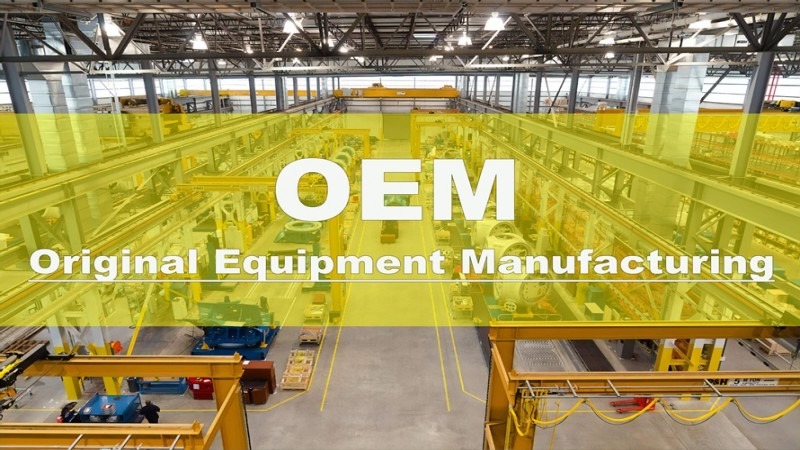
Head-to-Head Comparison Table
| Feature | OEM (Original Equipment Manufacturer) | ODM (Original Design Manufacturer) |
| Design Ownership | You (The Brand) | The Factory |
| Intellectual Property (IP) | Belongs to you; a valuable company asset. | Belongs to the factory; you license it. |
| Upfront Investment | Higher (R&D, prototyping, tooling, moulds). | Lower (Minimal R&D; tooling is pre-existing). |
| Time to Market | Longer (Design, prototyping, testing, compliance). | Faster (Based on an existing, tested product). |
| Product Uniqueness | High (Completely custom and unique to your brand). | Low (Based on a common template used by competitors). |
| Typical Profit Margin | Potentially Higher (Unique products command premium prices). | Potentially Lower (Competition drives prices down). |
When to Choose OEM
Opt for an OEM strategy if you want a unique, defensible brand, control over quality, and are ready for upfront investment. Knowing OEM meaning helps you appreciate the advantages of owning IP and building a long-term competitive edge despite higher OEM manufacturing costs.
When to Choose ODM
Choose ODM for faster market entry, lower upfront costs, or when product differentiation is secondary. Be aware that OEM manufacturing costs are usually higher than ODM but yield greater long-term value. This trade-off represents the financial core of OEM vs ODM.
The Financials of OEM: A Trader’s Guide to Costs and Profitability
The financial viability of an OEM project hinges on a clear understanding of its unique cost structure. The primary expenses are the non-recurring engineering (NRE) fees for tooling and moulds, the per-unit production cost, and quality assurance.
Profitability is only achieved when sales volume is sufficient to amortise the large upfront investment while maintaining a healthy margin on the per-unit cost. For any trader, a meticulous financial plan is non-negotiable. Understanding OEM manufacturing costs is therefore critical for anyone asking what is OEM from a business perspective.
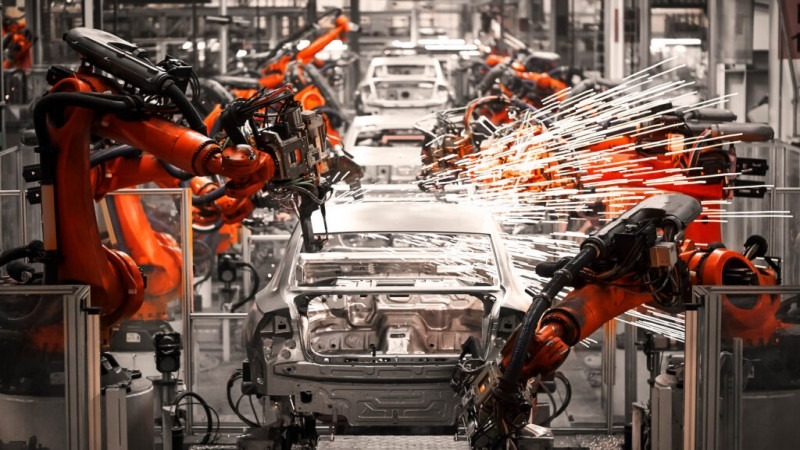
A Detailed Breakdown of Expected OEM Costs
Accurately forecasting costs is essential for securing funding and pricing your product correctly. Here are the main cost centres that define OEM manufacturing costs:
- Tooling/Mould Fees (NRE): Typically $5,000–$50,000+.
- Prototyping & Sampling: $500–$3,000.
- Minimum Order Quantity (MOQ): 500–10,000+ units.
- Per-Unit Cost: Example: $15 × 5,000 units = $75,000.
- Logistics & Tariffs: Add 10–20% to landed cost.
- Hidden Costs: QC inspections, audits, legal/IP fees.
These items together fully explain OEM manufacturing costs and why understanding OEM meaning is directly tied to capital planning.
Calculating Your Potential ROI with OEM
ROI = (Net Profit ÷ Total Investment) × 100%
This calculation shows why OEM manufacturing costs must be controlled precisely and why clearly understanding what is OEM is essential before committing capital.
Example Calculation:
- Total Investment (Tooling + MOQ Order Cost): $50,000 + $75,000 = $125,000
- Sale Price Per Unit: $50
- Total Revenue (5,000 units sold): $50 x 5,000 = $250,000
- Gross Profit (Revenue – Investment): $250,000 – $125,000 = $125,000
- ROI: ($125,000 / $125,000) x 100% = 100%
How to Find and Vet a Reliable OEM Partner
Understanding OEM meaning helps you identify trustworthy partners and manage OEM manufacturing costs efficiently.
Where to Find Potential OEMs
- B2B platforms
- Trade shows
- Professional referrals
- Sourcing agents
The Due Diligence Checklist
- Business licenses & ISO certifications
- Samples & references
- Communication ability
- Factory audits
- NDA & IP protection
All of these steps directly protect your OEM meaning model and your long-term profits.
Key Advantages and Disadvantages of OEM for Your Business
The Pros
- Full IP Ownership (OEM meaning)
- Brand differentiation
- Strict quality control
- Higher long-term profit margins
The Cons
- High initial capital
- Long development cycle
- Requires technical expertise
- Higher financial risk
Knowing what is OEM allows traders to weigh these factors strategically against OEM vs ODM alternatives.
Conclusion: Is OEM the Right Strategy for You?
OEM is a powerful strategy for traders aiming to build a valuable, enduring brand around a unique product. Understanding the true OEM meaning is recognising it not just as a manufacturing process but as a strategic investment in brand equity, competitive advantage, and long-term profitability.
Ultimately, understanding the true OEM meaning is about recognising it not just as a manufacturing process, but as a strategic investment in your brand’s future, equity, and competitive advantage. For those managing international supply chains, a reliable partner like Ultima Markets can be instrumental in navigating the financial complexities.
FAQ
Q:Are OEM parts lower quality than original brand parts?
No, this is a common misconception. In many industries, particularly automotive, OEM parts are the very same parts that were installed in the vehicle on the factory assembly line. They are made by the same company to the exact same specifications. The only difference is that they are sold in a box from the parts manufacturer (e.g., Bosch) rather than the car brand (e.g., BMW). They are not of lower quality.
Q:What is the main difference between OEM and Aftermarket products?
The key difference is the manufacturer’s relationship to the original brand. OEM products are made by the original manufacturer that supplies the brand. Aftermarket products are made by different companies as compatible replacements, often after the product has been on the market for some time. While some high-quality aftermarket brands exist, the quality can vary widely as they are not held to the original brand’s strict standards and specifications.
Q:Why is OEM software (like Windows) often cheaper?
OEM software licences are less expensive because they come with restrictions. They are intended to be pre-installed on new hardware (e.g., a new laptop) by a system builder. Typically, an OEM software licence is tied to the motherboard of that specific device and cannot be legally transferred to another computer. This limitation is what accounts for the lower price compared to a full retail version.
Q:How can traders manage currency risk when paying international OEMs?
Currency fluctuation is a significant risk for traders dealing with international manufacturers, as payments are often made in a foreign currency like USD or CNY. A sharp move in exchange rates between placing an order and paying the invoice can erase profit margins. Financial service providers offer tools to mitigate this risk.
For instance, traders can use trading platforms like MetaTrader 5 (MT5) to access forex markets and employ hedging strategies. By using instruments like forward contracts or options, a business can lock in a specific exchange rate for a future date, providing certainty over costs and protecting their bottom line. Managing these international payments also requires reliable channels for deposits and withdrawals.
